AIBiotech and the Future of Intelligent Biological Innovation
Understanding AIBiotech in the Modern Scientific Era
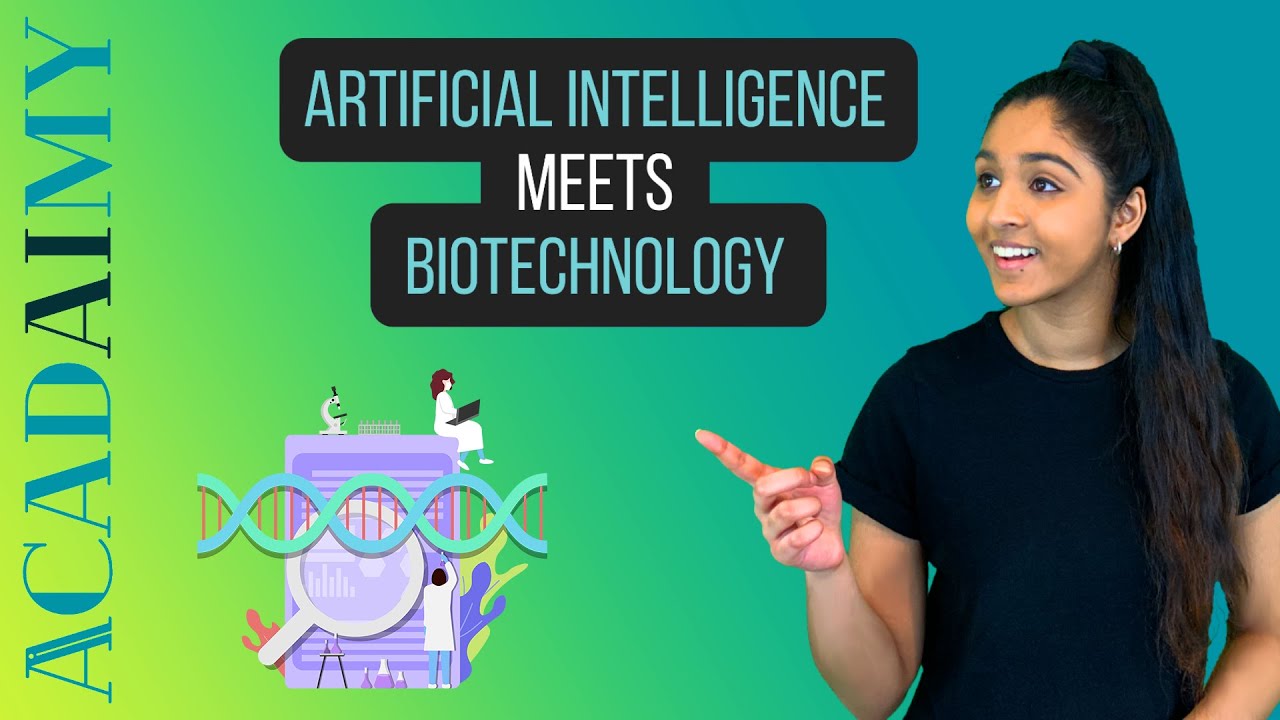
The concept of aibiotech represents the powerful intersection between artificial intelligence and biotechnology, two rapidly advancing fields that are reshaping science and healthcare. AIBiotech refers to the integration of AI systems into biological research, medical development, and life sciences to accelerate discovery and improve precision. This combination is transforming how researchers understand living systems, diseases, and treatment possibilities.
In the modern scientific landscape, data has become as important as biological samples. AIBiotech allows scientists to process massive datasets from genetics, proteins, and clinical studies far more efficiently than traditional methods. This shift is enabling faster breakthroughs and opening new pathways in personalized medicine and advanced diagnostics.
The Role of AI in Biotechnology Advancement
Artificial intelligence plays a crucial role in enhancing biotechnology by improving data analysis, prediction models, and simulation systems. Through AIBiotech, complex biological processes can be modeled digitally, allowing researchers to test hypotheses without extensive physical experimentation.
Machine learning algorithms can identify patterns in genetic data that would take humans years to discover. This capability is particularly valuable in areas such as drug discovery, where AI can predict how different compounds will interact with biological targets. As a result, development cycles are shortened, and innovation becomes more cost-effective and accurate.
AIBiotech in Medical Research and Healthcare
One of the most impactful applications of AIBiotech is in the field of healthcare. AI-powered biotechnology systems are revolutionizing diagnostics, treatment planning, and disease prevention. Hospitals and research institutions are increasingly using AI tools to analyze patient data and identify early signs of illness.
In personalized medicine, AIBiotech enables treatments tailored to an individual’s genetic profile. This means therapies can be designed to match specific biological characteristics, improving effectiveness and reducing side effects. The integration of AI into healthcare is leading to a more proactive and precise medical system.
Accelerating Drug Discovery and Development
Drug discovery is traditionally a long and expensive process, often taking years of research and testing. AIBiotech is changing this by introducing AI-driven simulations and predictive modeling. These tools can analyze millions of chemical compounds and predict which ones are most likely to succeed as treatments.
This approach significantly reduces the time required to bring new drugs to market. Pharmaceutical companies are now able to focus their resources on the most promising candidates, increasing efficiency and reducing costs. AIBiotech is becoming a key driver in modern pharmaceutical innovation.
Genetic Engineering and Bioinformatics with AIBiotech
Genetic engineering is another area where AIBiotech is making a strong impact. By combining AI algorithms with genomic data, scientists can better understand gene functions and identify potential modifications for disease treatment or agricultural improvement.
Bioinformatics platforms powered by AIBiotech can process vast amounts of genetic information quickly and accurately. This helps researchers detect mutations, study hereditary diseases, and develop gene-based therapies. The integration of AI in this field is accelerating discoveries that were previously impossible or extremely time-consuming.
The Future Potential of AIBiotech Innovation
The future of AIBiotech holds enormous potential across multiple industries. In agriculture, it can improve crop yield through smart genetic modifications and predictive environmental modeling. In environmental science, it can help monitor ecosystems and predict climate-related biological changes.
As technology continues to evolve, AIBiotech is expected to become more autonomous and deeply integrated into everyday scientific processes. Ethical considerations and regulatory frameworks will also play an important role in ensuring responsible development. However, the potential benefits far outweigh the challenges.
Ultimately, AIBiotech represents a future where artificial intelligence and biology work together to solve some of humanity’s most complex problems, from curing diseases to improving global food security and advancing scientific understanding at an unprecedented scale.