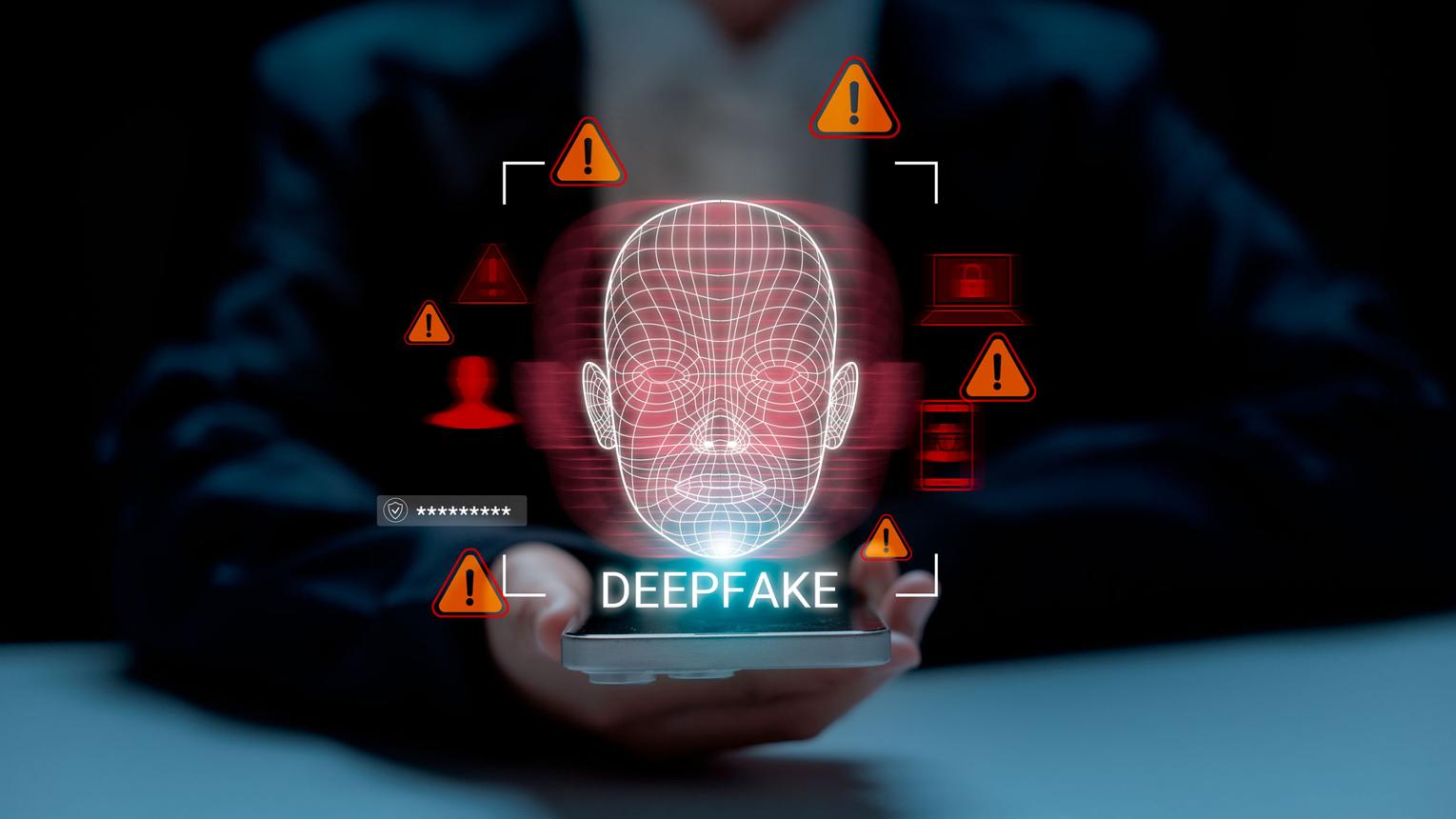
AI Deepfake Scams Trigger Global Alarm


Introduction
The rise of Artificial Intelligence has transformed industries at an extraordinary pace. But alongside innovation, a darker threat has emerged: deepfake scams. These AI-generated fake videos, images, and voices are now being used in highly convincing fraud schemes, triggering global concern among governments, cybersecurity experts, and financial institutions.
What was once a niche technology used in entertainment and research has now become a powerful tool for deception. The world is witnessing a rapid escalation in fraud cases where criminals impersonate real individuals using hyper-realistic synthetic media powered by Deepfake systems.
What Are Deepfake Scams?
Deepfake scams involve the use of AI to create fake but realistic media—typically video or audio—that impersonates a real person. These scams often rely on:
- AI-generated face swaps in videos
- Voice cloning from short audio samples
- Real-time impersonation during video calls
- Synthetic social media profiles
Scammers use these tools to pretend to be CEOs, bank officials, family members, or even government representatives.
A common tactic includes a “urgent money request” where victims receive a call or video from someone who appears to be a trusted figure, asking for immediate financial transfer.
Why Deepfake Scams Are Growing So Fast
1. Easy Access to AI Tools
Open-source AI tools and commercial platforms have made deepfake creation easier than ever. What once required advanced technical knowledge can now be done with minimal skill.
2. Abundance of Online Data
People share vast amounts of images and voice recordings online. Social media platforms provide enough material for criminals to clone identities convincingly.
3. Real-Time Communication Exploits
Modern deepfake systems can manipulate live video calls, making scams harder to detect during real-time interactions.
4. Financial Motivation
Cybercriminals are increasingly using deepfake technology for high-value fraud such as:
- Corporate invoice scams
- Fake investment pitches
- Identity theft
- Banking fraud
Real-World Cases That Sparked Global Alarm
CEO Fraud via Deepfake Voice
In several reported cases, employees of multinational companies received phone calls that mimicked their CEO’s voice, instructing them to transfer large sums of money urgently.
Family Emergency Scams
Victims have reported receiving video or voice messages that appear to be from relatives claiming they are in trouble and need immediate financial help.
Fake Political Messages
Some deepfakes have been used to spread misinformation by impersonating political leaders, causing public confusion and panic.
These incidents have pushed cybersecurity agencies worldwide to issue warnings about the increasing sophistication of synthetic media fraud.
How Deepfake Technology Works in Scams


At the core of deepfake generation are machine learning models, especially Generative Adversarial Networks (GANs). These systems consist of two components:
- Generator: Creates fake images or audio
- Discriminator: Tries to detect whether it is fake
Through continuous training, the generator becomes extremely good at producing realistic content that can fool both humans and detection systems.
Voice cloning uses similar deep learning techniques, analyzing pitch, tone, and speech patterns to recreate a person’s voice with alarming accuracy.
The Global Response to the Threat
Governments and tech companies are now treating deepfake scams as a serious cybersecurity risk.
Regulatory Actions
Several countries are drafting laws that require labeling of AI-generated content and penalizing malicious use of synthetic media.
Tech Company Measures
Major platforms are:
- Developing deepfake detection tools
- Adding watermarking systems for AI-generated content
- Monitoring suspicious accounts using synthetic media
Financial Sector Protections
Banks and fintech companies are introducing:
- Multi-step verification for large transactions
- Voice authentication upgrades
- AI-based fraud detection systems
How to Protect Yourself from Deepfake Scams
1. Verify Urgent Requests Separately
Never act on urgent financial requests without confirming through a second trusted channel.
2. Watch for Subtle Audio/Video Glitches
Even advanced deepfakes may show:
- Unnatural blinking
- Lip-sync delays
- Robotic voice patterns
3. Use Code Words with Family
Families are increasingly adopting “safe words” to verify identity during emergencies.
4. Enable Strong Authentication
Use:
- Two-factor authentication (2FA)
- Banking alerts
- Identity verification apps
5. Be Cautious with Public Data
Limiting publicly available voice and video content reduces cloning risk.
The Future of Deepfake Threats
Experts warn that deepfake scams will become more personalized and harder to detect. Future systems may:
- Replicate real-time conversations perfectly
- Adapt tone and emotional responses
- Integrate with social media histories for credibility
However, detection technology is also evolving. AI-based forensic tools are being trained to identify microscopic inconsistencies in generated media that humans cannot see.
The battle between generation and detection is becoming a technological arms race.
Conclusion
Deepfake scams represent one of the most serious cybersecurity challenges of the digital age. As Artificial Intelligence continues to evolve, so does its misuse in fraud and deception. The combination of realistic synthetic media and social engineering makes these scams highly effective and dangerous.
Awareness, verification practices, and improved digital literacy are now essential defenses. While technology companies and governments work on detection and regulation, individuals remain the first line of defense against deepfake-driven fraud.